Musculoskeletal Syndrome of Menopause
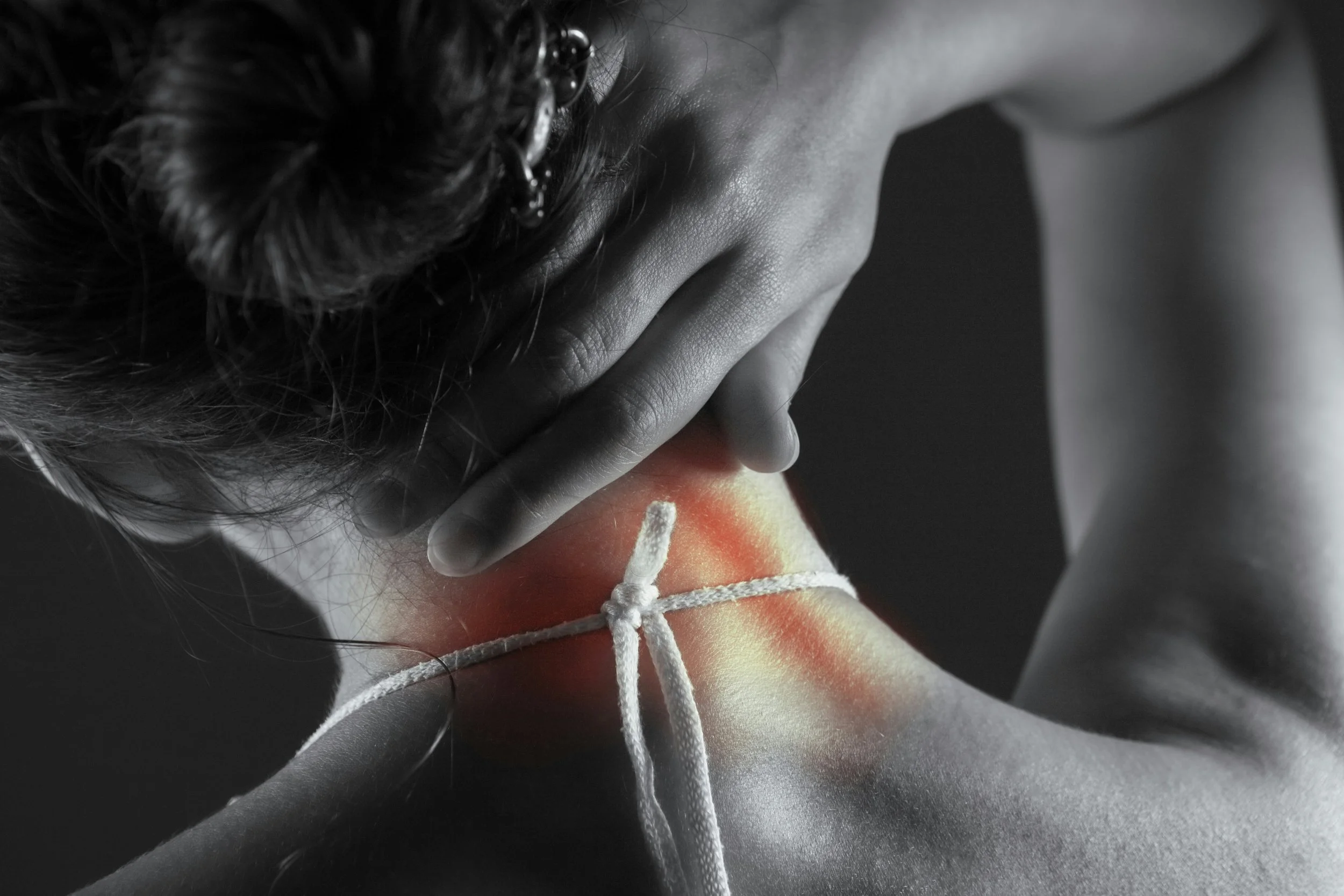
For many women, perimenopause and menopause bring unexpected physical changes that go far beyond hot flashes or irregular cycles. One of the most common—and least discussed—is the onset of new or worsening musculoskeletal pain.
If you’ve noticed achy joints, morning stiffness, tendon pain, or a body that simply doesn’t recover like it used to, you are not imagining it. There is a real, biologically driven explanation known as Musculoskeletal Syndrome of Menopause (MSM).
What Is Musculoskeletal Syndrome of Menopause?
Musculoskeletal Syndrome of Menopause refers to a constellation of symptoms affecting joints, muscles, tendons, ligaments, and connective tissue that emerge or intensify during perimenopause and menopause. These symptoms are closely linked to declining and fluctuating estrogen levels.
Estrogen is not only a reproductive hormone—it plays a critical role in maintaining the integrity, elasticity, and repair capacity of musculoskeletal tissues throughout the body.
Why Estrogen Matters for Muscles and Joints
Estrogen receptors are present in:
Muscle fibers
Tendons and ligaments
Cartilage and joint capsules
Bone
As estrogen declines, several key changes occur:
Reduced collagen synthesis
Decreased joint lubrication
Increased inflammatory signaling
Altered pain perception
Slower muscle repair and recovery
The result is tissue that is less resilient, more injury-prone, and more sensitive to load and stress.
Common Symptoms of MSM
Women with MSM often report:
Morning stiffness lasting longer than expected
Achy hips, knees, shoulders, hands, or feet
Tendon pain (Achilles, plantar fascia, rotator cuff, elbows)
Muscle soreness after workouts that used to feel easy
Reduced flexibility or strength despite regular activity
Importantly, imaging such as X-rays or MRIs may appear normal, and routine labs are often unrevealing. This can lead to symptoms being dismissed as “just aging,” even though the underlying physiology is very real.
Why MSM Is Often Missed or Misdiagnosed
Musculoskeletal Syndrome of Menopause remains underrecognized because:
Symptoms overlap with osteoarthritis, overuse injuries, or autoimmune conditions
Structural damage may not be visible on imaging
Hormonal influences on connective tissue are rarely discussed in routine care
This diagnostic gap leaves many women feeling unheard, frustrated, and uncertain about how to move their bodies safely.
A Comprehensive Approach to Support MSM
There is no single solution, but a root-cause, systems-based approach can make a meaningful difference.
Key pillars often include:
1. Hormonal Evaluation and Support
Addressing estrogen status—whether through lifestyle, non-hormonal strategies, or hormone therapy when appropriate—can significantly influence pain, inflammation, and tissue resilience.
2. Progressive Strength Training
Contrary to fear-based advice, appropriately dosed resistance training is one of the most powerful tools for:
Preserving muscle mass
Strengthening tendons and ligaments
Improving joint stability
Reducing pain over time
The key is progressive load with adequate recovery, not excessive intensity.
3. Inflammation and Recovery Support
Sleep quality, stress physiology, nutrition, and micronutrient status all influence pain perception and tissue repair.
Supplements That May Support Musculoskeletal Health
While supplements are not a substitute for addressing root causes, certain nutrients can play a supportive role when used thoughtfully.
Collagen Peptides
Collagen provides structural support for tendons, ligaments, cartilage, and fascia. With age and estrogen decline, endogenous collagen production decreases.
Potential benefits include:
Improved connective tissue integrity
Support for tendon and joint health
Enhanced response to strength training
Collagen is most effective when paired with adequate protein intake and vitamin C.
Creatine Monohydrate
Creatine is often misunderstood as a supplement only for young athletes, but emerging evidence supports its role in midlife and postmenopausal women.
Potential benefits include:
Improved muscle strength and power
Enhanced muscle recovery
Support for lean mass preservation
Possible benefits for bone health when combined with resistance training
Creatine may be particularly valuable during menopause, when muscle loss accelerates.
As with all supplements, quality, dosing, kidney health, and individual context matter.
You Are Not Broken—Your Body Is Adapting
Musculoskeletal pain during menopause is not a personal failure or a sign that your body is betraying you. It is often a signal that your physiology has changed and your support strategies need to evolve.
With informed care, appropriate movement, and targeted support, many women experience significant improvement in strength, confidence, and quality of life.
If your body feels unfamiliar lately, it may not be failing you.
It may simply be asking for a new kind of care.
This content is for educational purposes only and does not replace individualized medical advice. Always consult a qualified healthcare professional regarding diagnosis, treatment, or supplements.
